
Best Water Softeners UK
How to Choose the Best Water Softener for Your Home
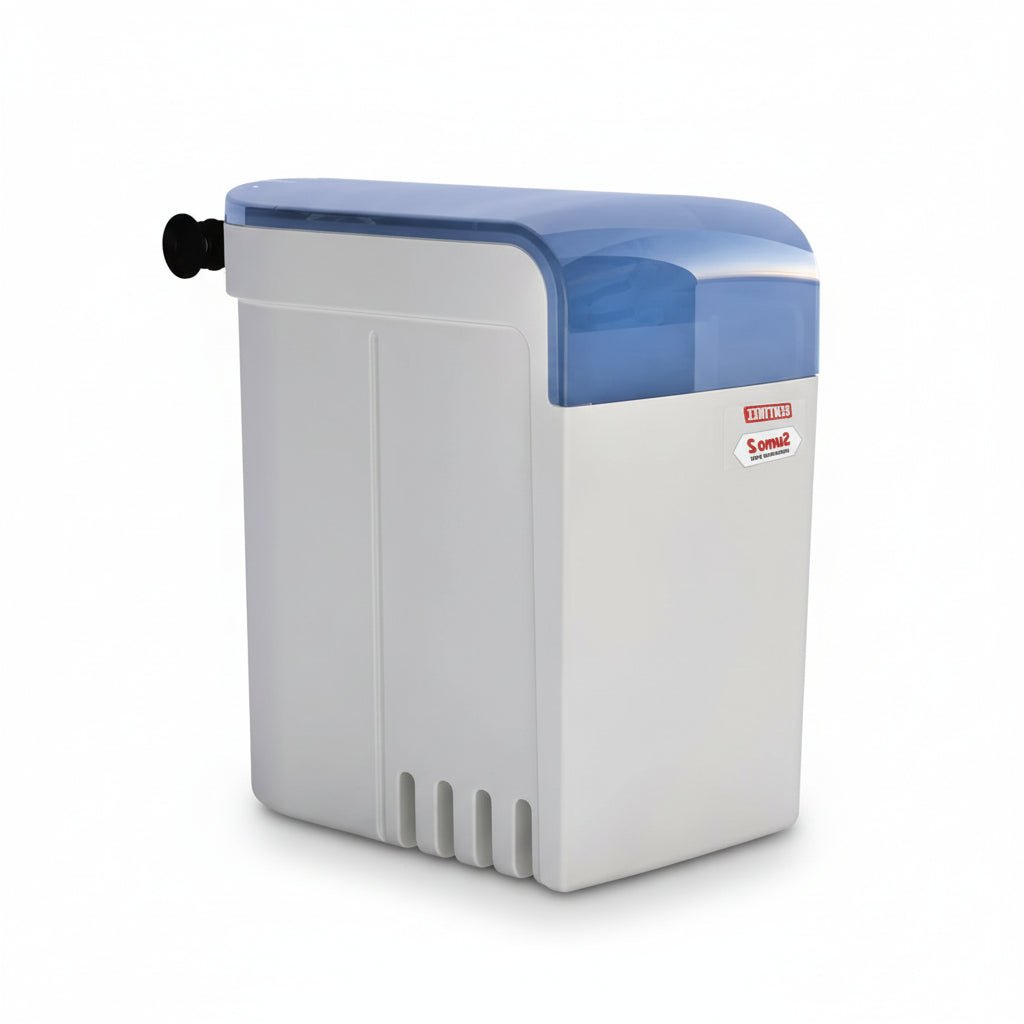
Finding the absolute best water softener for your UK home isn't a one-size-fits-all decision. The right choice depends heavily on your household size, daily water usage, and the specific plumbing constraints of your property. Choosing a model that cannot match your peak water demand will restrict your home's water pressure, while picking a system that is too large leads to unnecessary salt consumption and regeneration waste.
| Water Softener | Best For | Type | Key Benefits | Considerations |
|---|---|---|---|---|
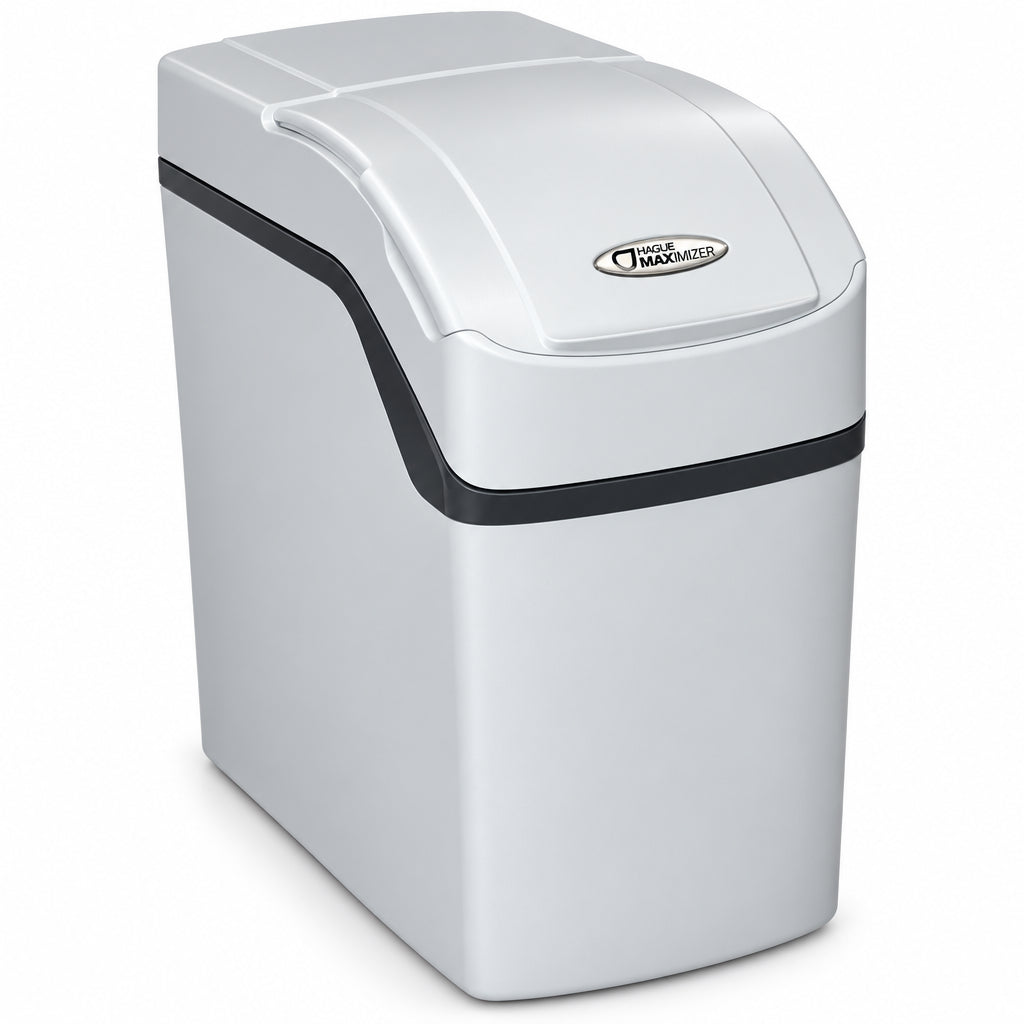
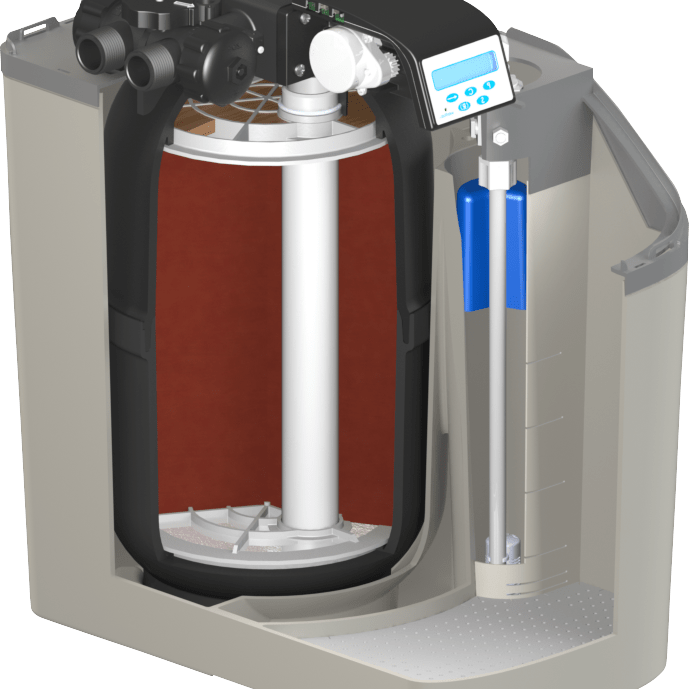
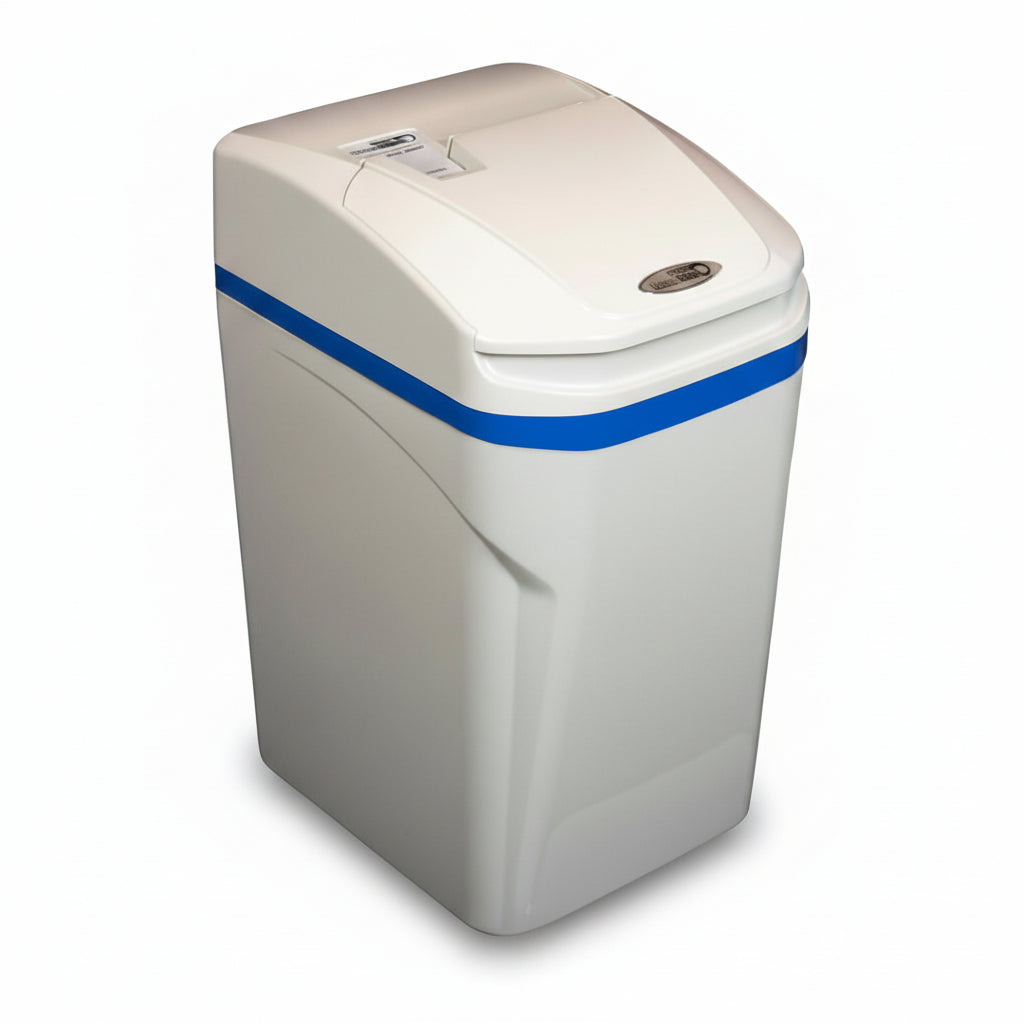
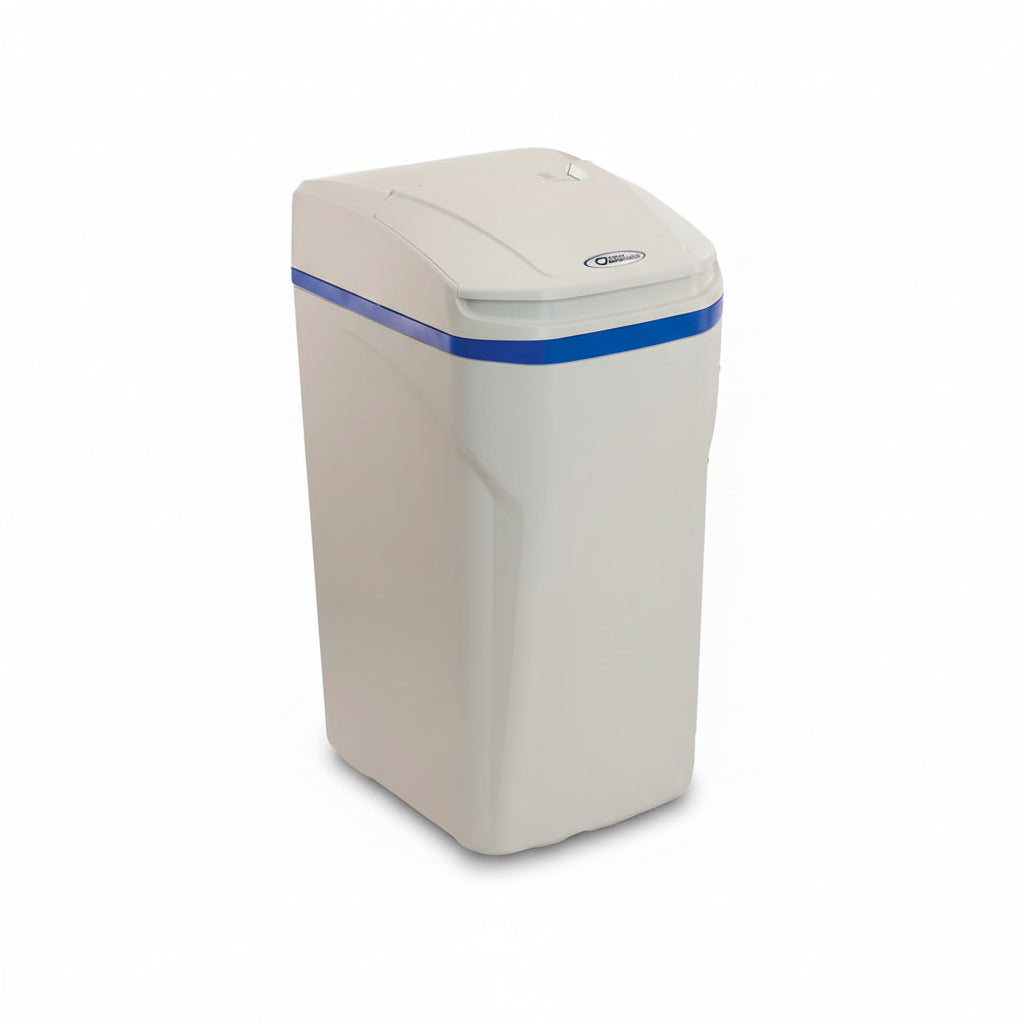
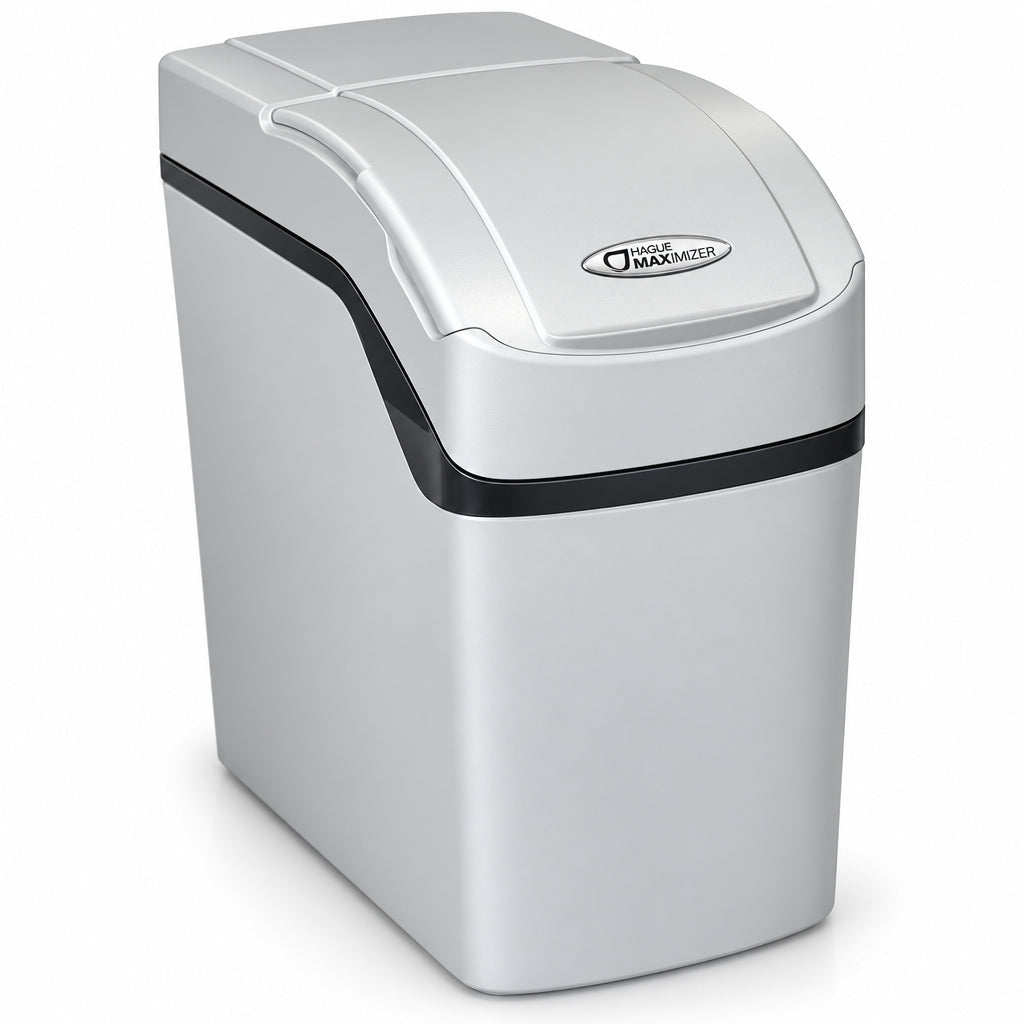
| Hague Maximizer 7180 | Most UK households | Twin-cylinder, non-electric | Combines advanced water softening and filtration, high efficiency, excellent flow rates, protects appliances and improves drinking water quality | Requires more installation space than compact models |
| Hague Maximizer 7380 | Best for Larger Homes and high water demand | Twin-cylinder, non-electric | Higher capacity than the 7180, ideal for multiple bathrooms, continuous soft water and whole-home filtration | Higher upfront investment |
| Hague Maximizer 410 | Best compact water softener for small to medium households | Twin-cylinder, non-electric | Compact footprint, combines filtration and softening, efficient salt usage, excellent all-round performance | Lower capacity than the 7180 and 7380 |
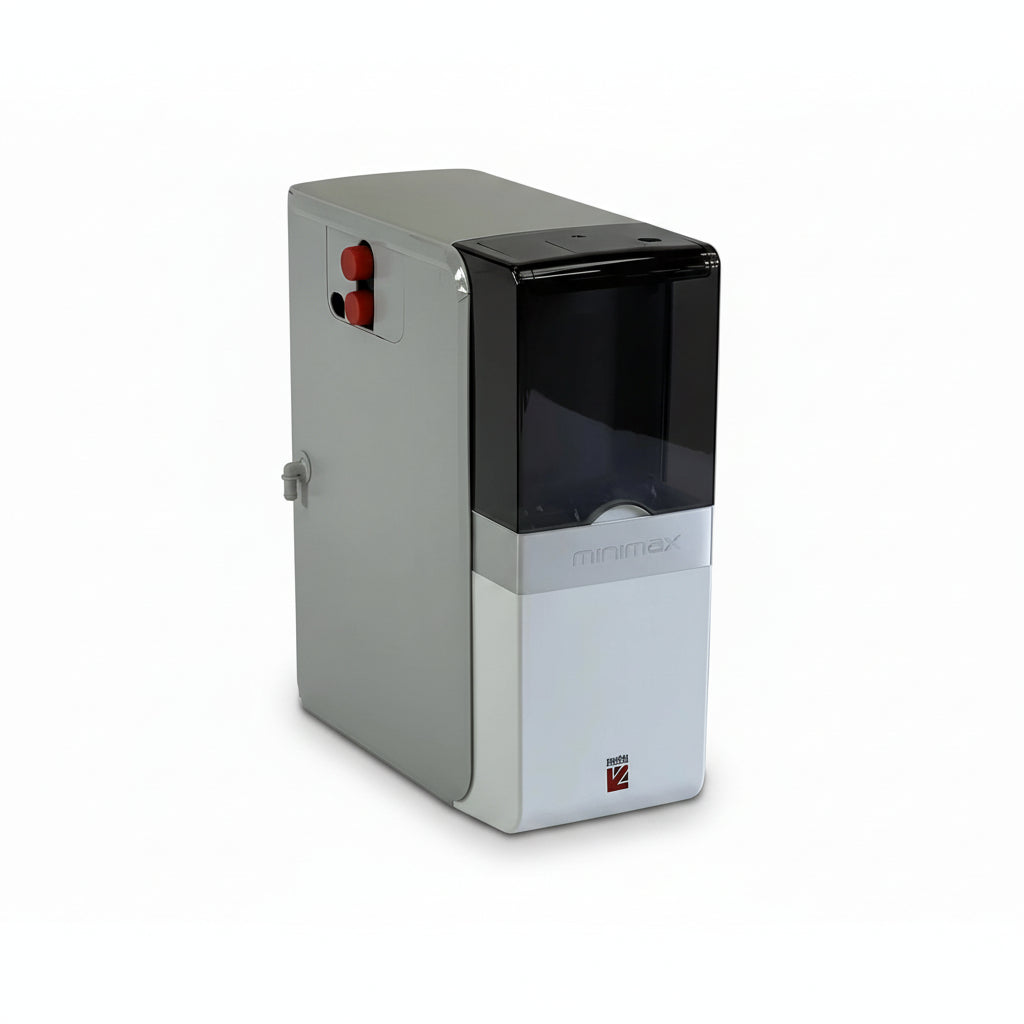
| Harvey MiniMax | Compact Non-Electric Softener | Twin-cylinder, non-electric | Fits under most kitchen sinks, reliable operation, continuous soft water | Does not provide whole-house filtration |
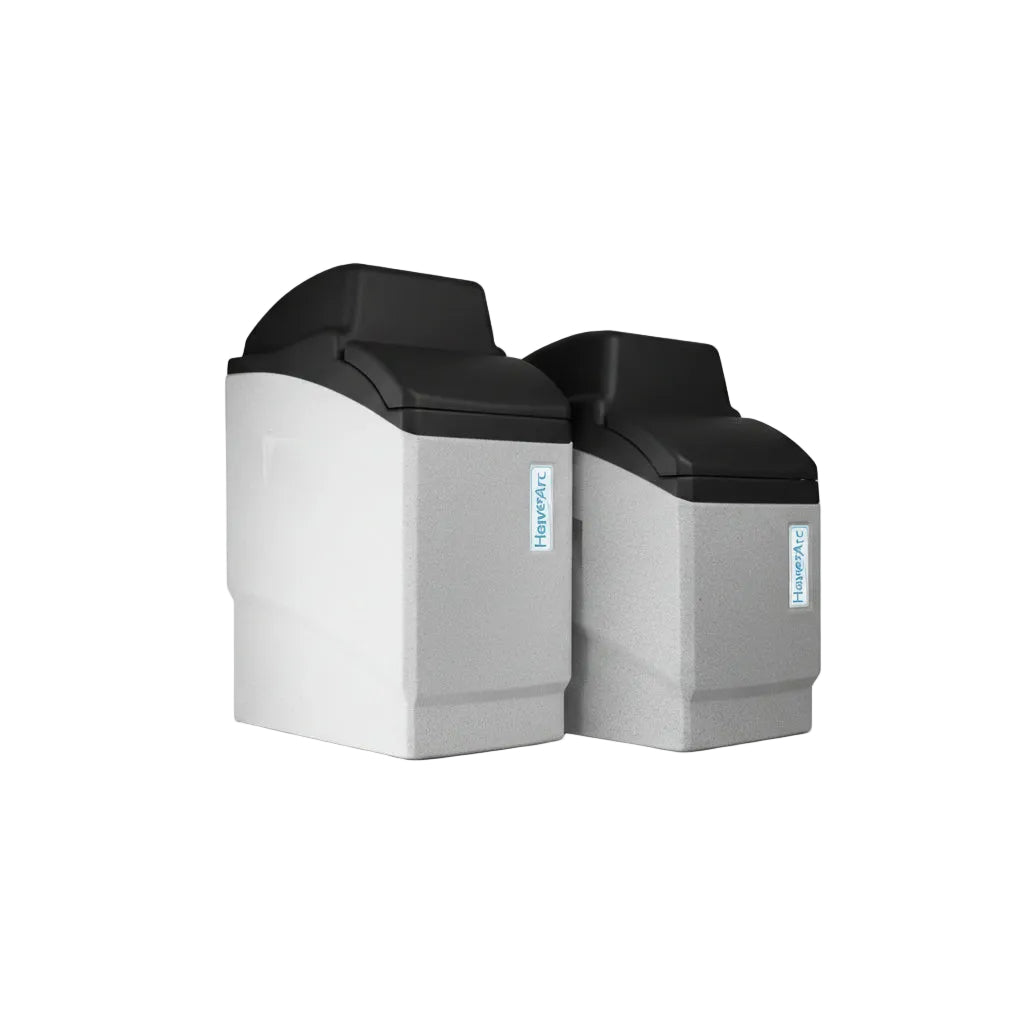
| HarveyArc | Modern Compact Softener | Twin-cylinder, non-electric | Stylish design, compact footprint, efficient operation | Premium purchase price |
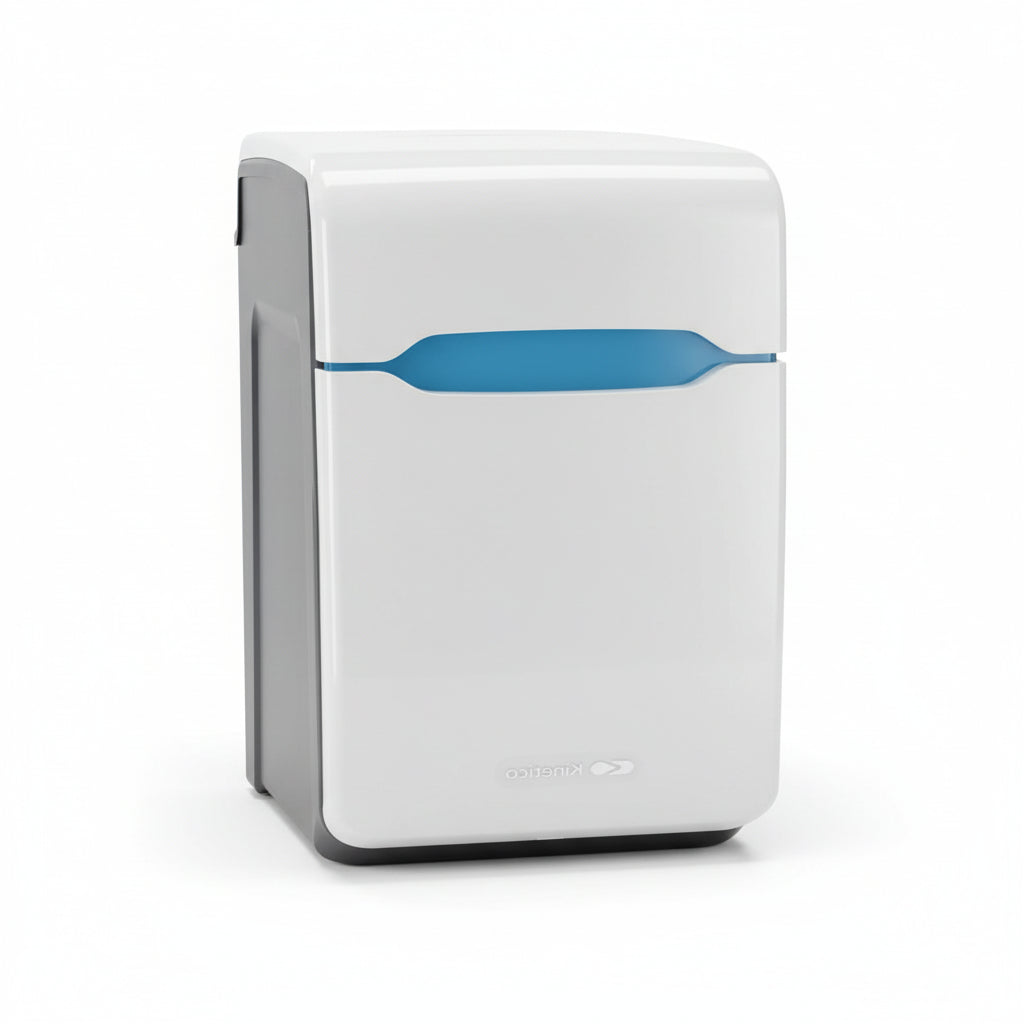
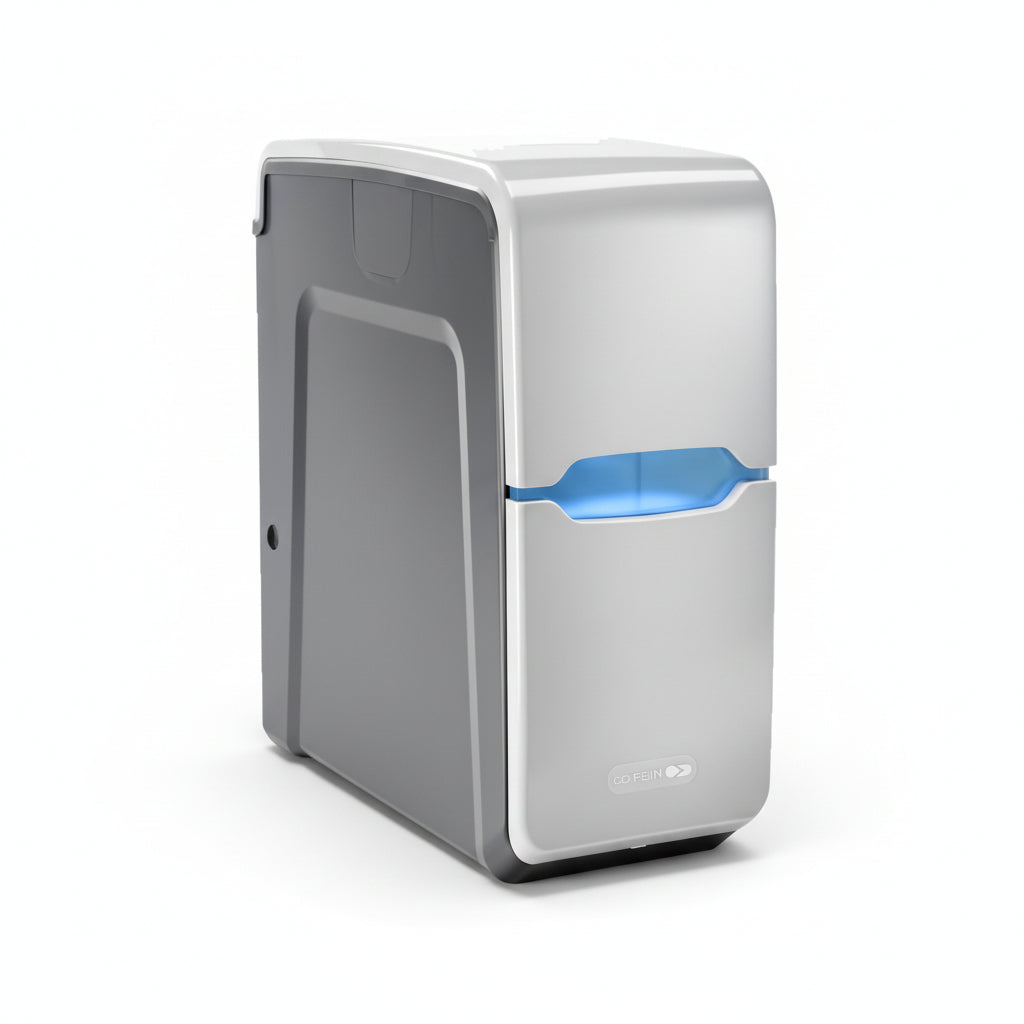
| Kinetico Premier Compact | Very Good High Flow Rates | Twin-cylinder, non-electric | Excellent performance in homes with high water demand, proven reliability | Larger installation footprint |
| Kinetico Premier Plus | Perfect for Large Properties | Twin-cylinder, non-electric | Designed for multiple bathrooms and larger households | Higher cost than standard systems |
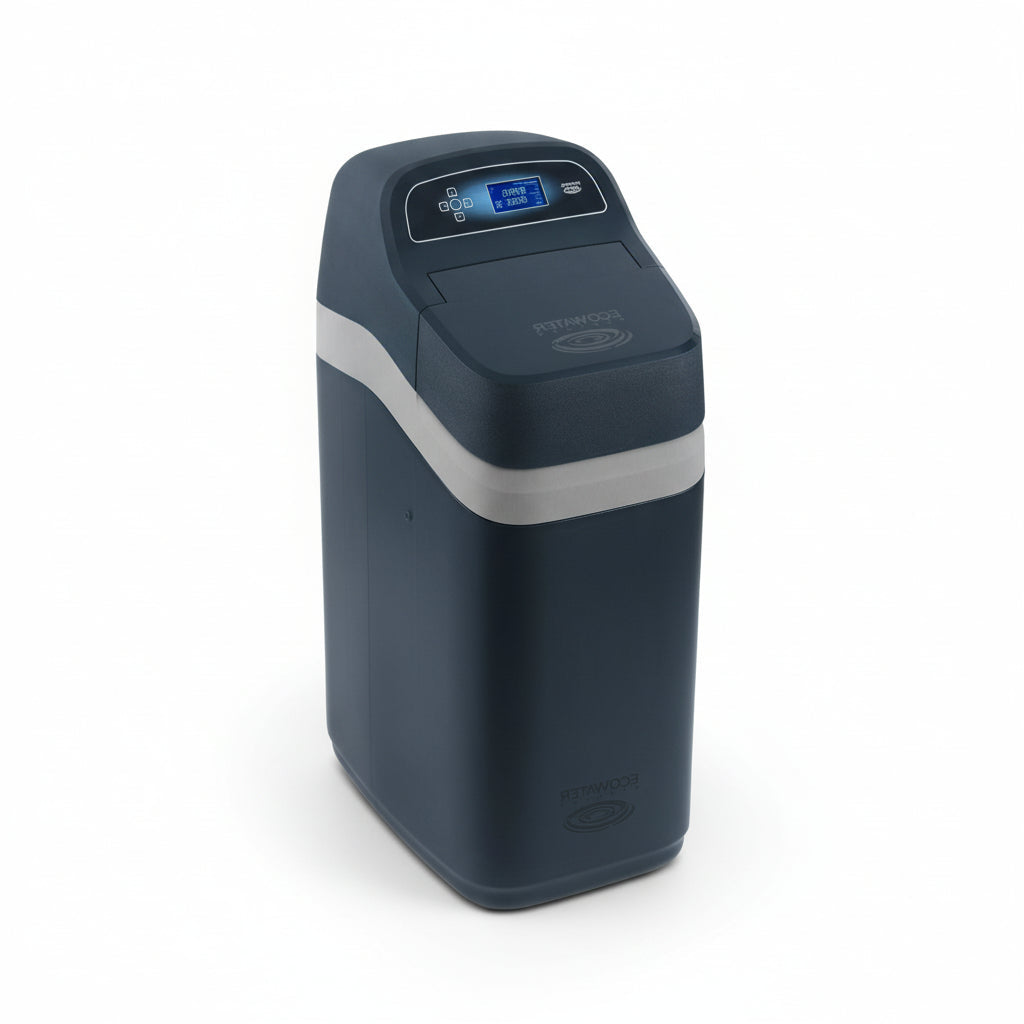
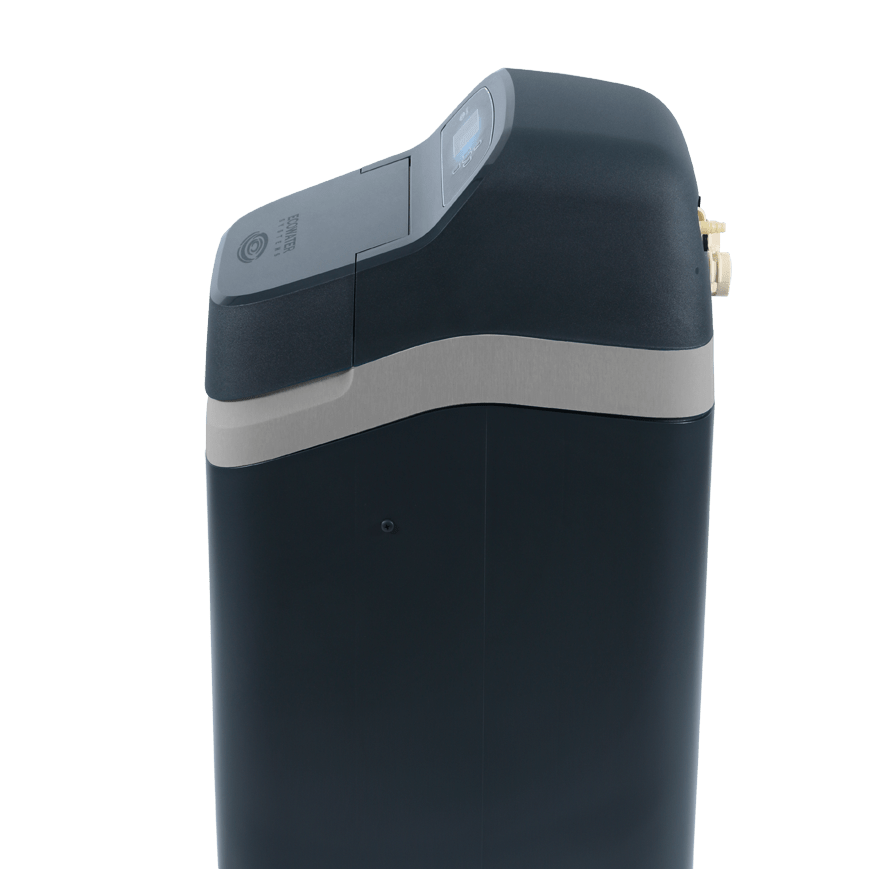
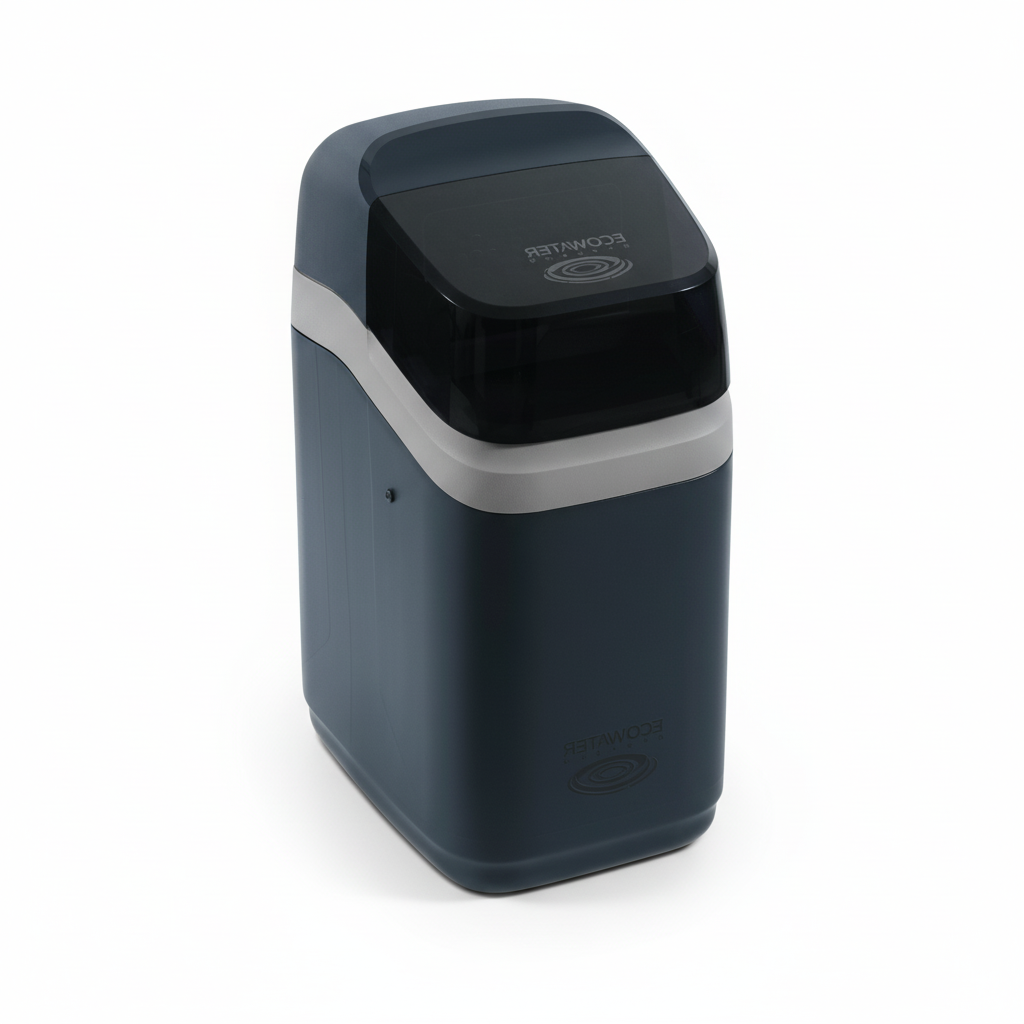
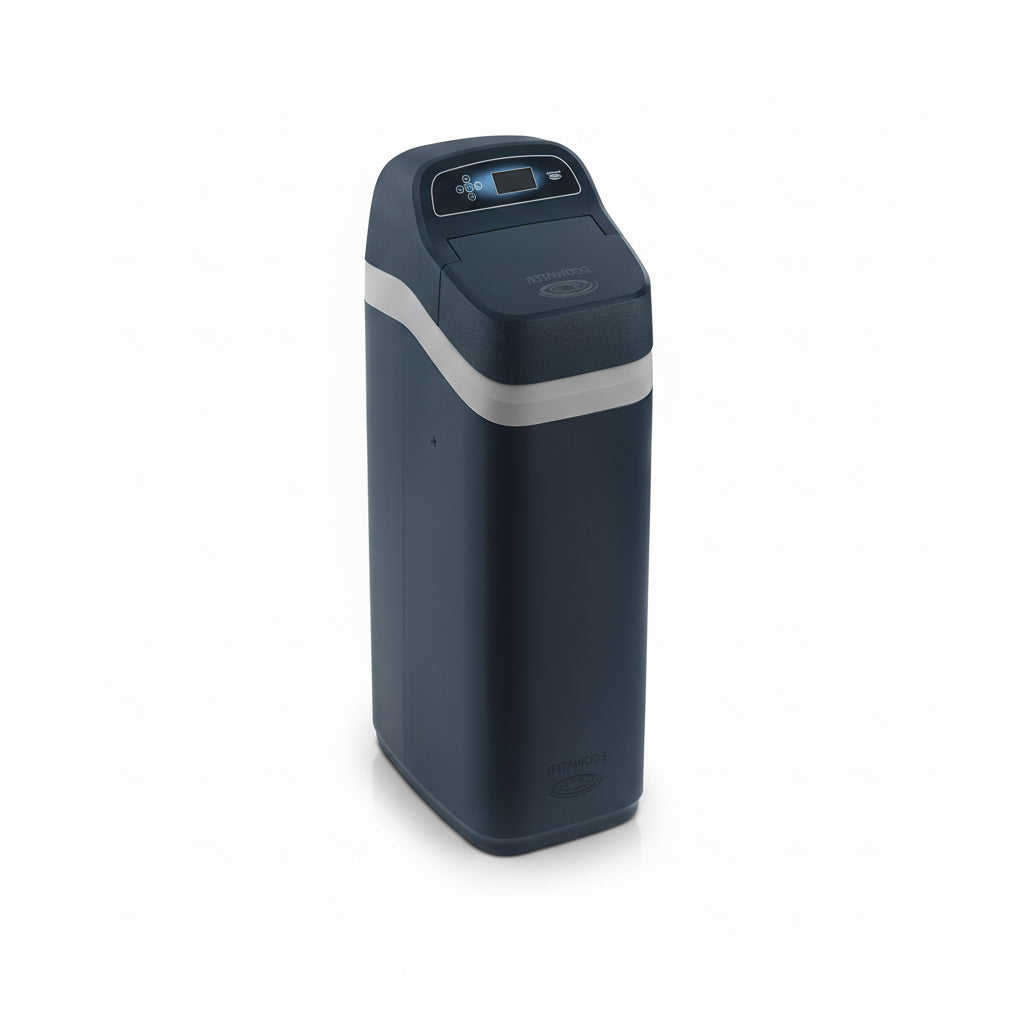
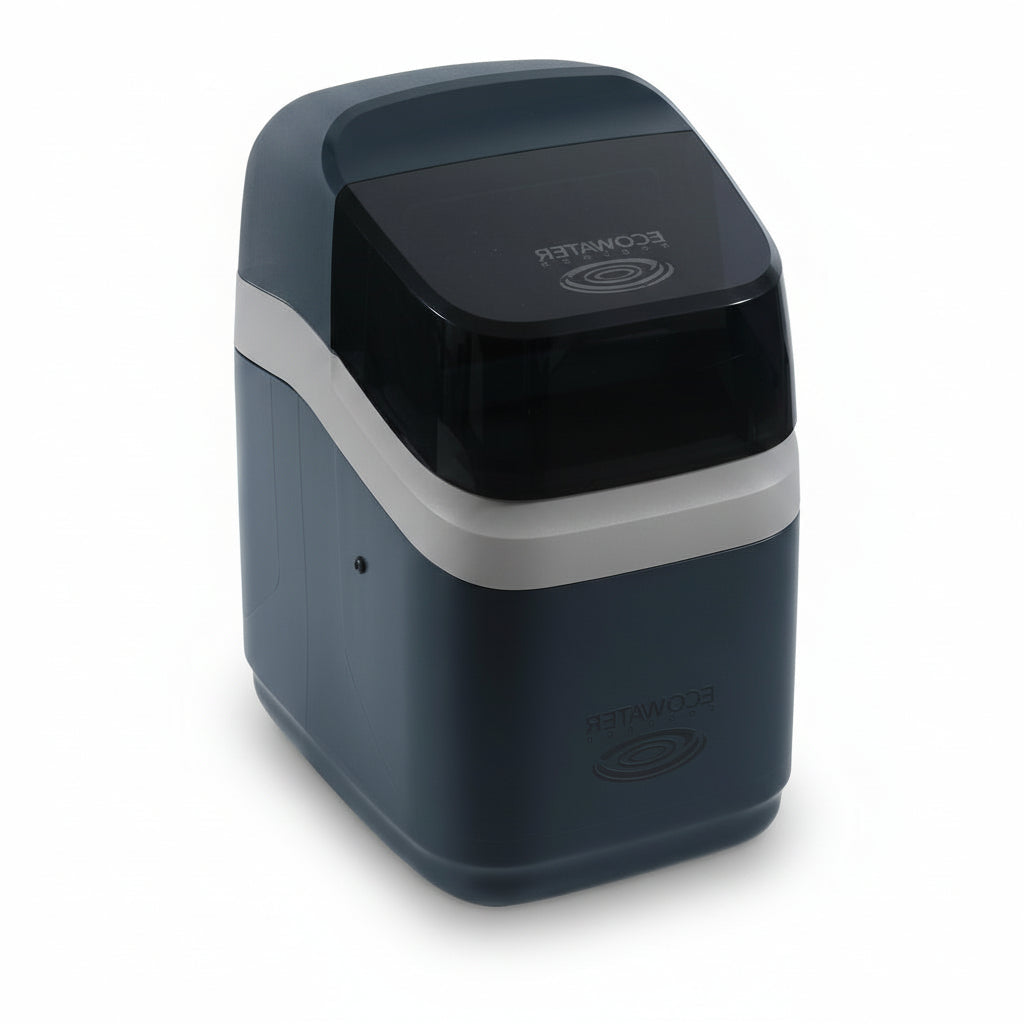
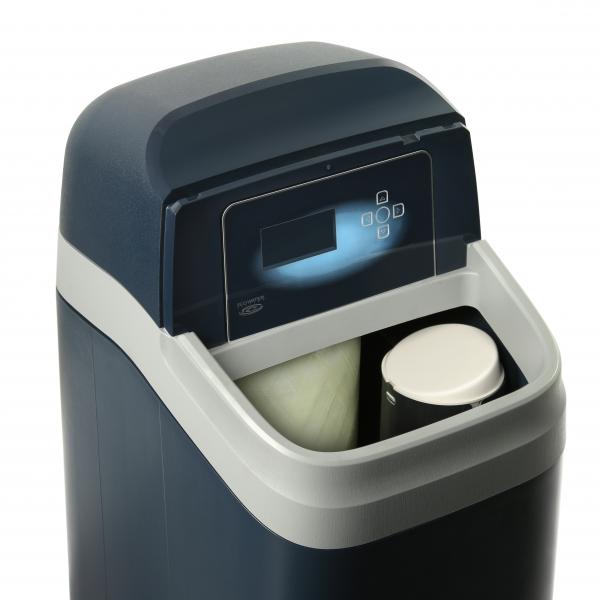
| EcoWater Water Softener | Smart Water Softener | Electric metered system | App connectivity, advanced monitoring and efficiency controls | Requires electricity |
| H2Optimo Water Softener | Best Budget Water Softener | Twin-cylinder, non-electric | Affordable entry point into water softening | Fewer premium features |
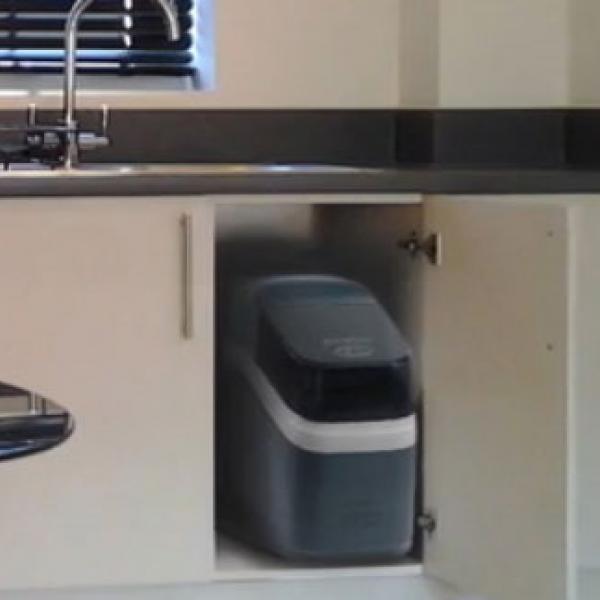
To get the best results, you must balance your physical space limitations—such as whether the unit needs to fit neatly under a kitchen sink—with a system engineered to handle your home's unique flow rates.
How We Compare Water Softeners
Practicality & Installation
- Convenience: Evaluates the physical footprint, salt refill frequency, and salt type required.
- Size: Assesses the unit's physical dimensions relative to its total water capacity.
- Suitability for Conventional Systems: How well the softener integrates with traditional, tank-fed gravity plumbing.
- Suitability for Mains-Fed Systems: Performance when paired with modern unvented systems (e.g., Combi boilers or Megaflo).
Cost & Value
- Upfront Cost: Budget-friendliness. The higher the rating, the cheaper the machine is to buy.
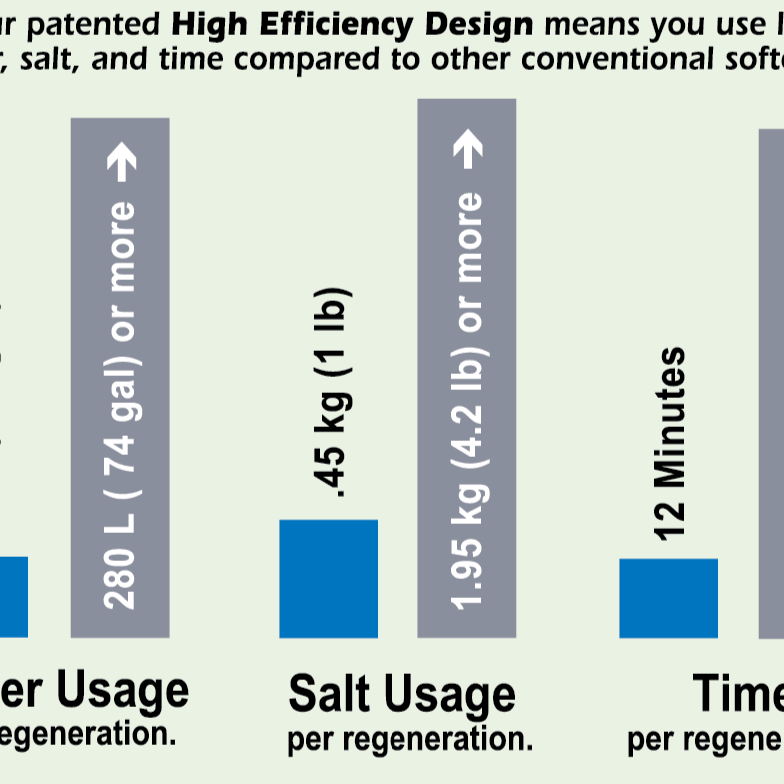
- Running Cost (Salt): The volume and type of salt required to produce softened water.
- Running Cost (Water): The amount of water used during the unavoidable regeneration process per $1\text{ m}^3$ of softened water.
- Running Cost (Servicing): Based on required maintenance intervals. Zero regular servicing needs equals an automatic 5 stars.
Long-Term Reliability & Trust
- Warranty: The length and depth of coverage, plus how reliably the manufacturer handles claims.
- Reliability: Real-world performance data tracked from units installed directly in our customers' homes.
- Trust: Fact-checking manufacturer marketing claims against the laws of physics, paired with how responsive their technical support is.